
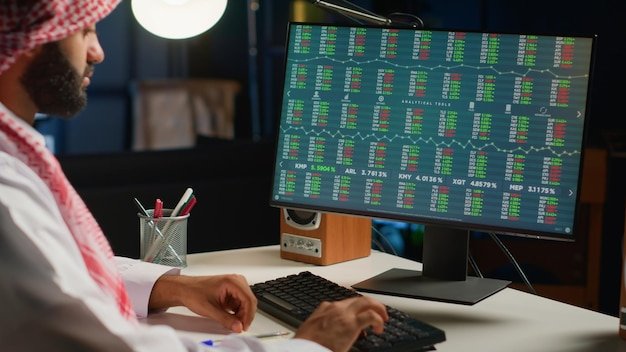
How to Start Forex Trading in UAE With Small Investment
How to Start Forex Trading in UAE With Small Investment
Introduction
The United Arab Emirates has emerged as one of the world’s most attractive destinations for forex traders, particularly those looking to begin their trading journey with limited capital. Learning how to start forex trading in UAE with small investment is not only possible but increasingly popular, thanks to favorable regulatory frameworks, low minimum deposits, and the absence of personal income tax on trading profits. Whether you’re based in Dubai, Abu Dhabi, or any other emirate, the process of entering the forex market has become streamlined and accessible to beginners with minimal financial resources.
The UAE’s robust financial regulatory system, overseen by the Securities and Commodities Authority (SCA) and the Central Bank of the UAE, ensures that traders operate within a secure and transparent environment. This regulatory oversight protects individual traders while allowing them the freedom to engage in currency trading legally and with confidence. For those hesitant about the financial barriers to entry, the good news is that most reputable brokers now accept minimum deposits as low as $5 to $100, making it entirely feasible to start your forex trading career without significant upfront investment.
Understanding Forex Trading and Its Legality in the UAE
Is Forex Trading Legal in the UAE?
Yes, forex trading is completely legal in the United Arab Emirates. The market is well-regulated and operates under a clear framework established by the SCA and the Central Bank of the UAE. As an individual trader engaging in forex on your own behalf, you do not need a license to participate in the market. This legal status provides traders with the confidence and security needed to pursue forex trading as a legitimate financial activity.
The key distinction in UAE forex law is that while individual traders do not require a license, anyone providing investment management services or facilitating forex trading for clients must be properly licensed and regulated. This distinction protects retail traders while maintaining the integrity of the financial system.
Tax Advantages for Forex Traders
One of the most significant advantages of forex trading in the UAE is the tax structure. Currently, there is no personal income tax or capital gains tax on forex trading profits for individual traders. This makes the UAE an exceptionally attractive jurisdiction for traders worldwide. However, if you operate a registered trading business or trade on behalf of a company, corporate tax obligations may apply, and consulting with a financial advisor is recommended.
Islamic Compliance and Sharia-Compliant Trading
For Muslim traders seeking to maintain compliance with Islamic principles, the UAE offers Islamic forex accounts. These accounts are structured to avoid riba (interest), ensure immediate exchange of currencies, and prevent gambling or speculation. Most reputable brokers operating in the UAE offer Islamic accounts where no overnight interest swap is charged. Always confirm with your broker that your account complies with Sharia law before commencing trading.
Choosing the Right Forex Broker for Small Investments
The Importance of Broker Regulation
Selecting a regulated broker is the most critical step in your forex trading journey. Trading with an unlicensed broker exposes you to significant risk, including potential loss of funds with no recourse or protection. A regulated broker ensures that your money is kept separate from company funds, maintains transparent trading practices, and complies with local regulations.
Look for brokers that are licensed to operate in the UAE and regulated by reputable financial authorities. Popular options for UAE traders include Exness, XM, AvaTrade, and FP Markets. Before committing to any broker, verify their regulatory status with the SCA or relevant financial authorities.
Key Features to Look for in a Broker
When selecting a broker suited for small investments, consider the following features:
- Low Minimum Deposit: Look for brokers accepting deposits as low as $5 to $100, allowing you to start with minimal capital.
- Competitive Spreads: Lower spreads reduce your trading costs and increase profitability, especially important when trading with small amounts.
- Multiple Funding Methods: Choose brokers offering various deposit options including bank transfers, credit/debit cards, e-wallets (Skrill, Neteller), and local payment gateways.
- Fast Withdrawals: Ensure the broker offers quick withdrawal processing so you can access your profits promptly.
- Local Support: Opt for brokers providing customer support in Arabic and English, making communication easier.
- Demo Account: Select brokers offering demo accounts where you can practice trading with virtual funds before risking real money.
- Advanced Trading Tools: Look for platforms offering analysis software, risk management features, and diversification options.
Step-by-Step Guide to Opening Your Forex Trading Account
Step 1: Research and Select Your Broker
Begin by researching multiple brokers and comparing them based on regulation, spreads, trading features, and customer reviews. Create a shortlist of brokers that meet your criteria, particularly those with low minimum deposits suitable for small investments. Take time to read reviews and understand each broker’s reputation in the market.
Step 2: Complete the Account Registration Process
Opening a forex trading account is simple and can be done entirely online. Begin by visiting your chosen broker’s website and clicking on the account registration link. You’ll be asked to provide basic personal information including your full name, email address, and contact number. This process typically takes just a few minutes to complete.
Step 3: Verify Your Identity and Address
Once you’ve registered, you’ll need to verify your identity and proof of address. Required documents typically include:
- A valid Emirates ID or passport
- Proof of address such as a utility bill or bank statement
Verification usually takes a few hours to one business day. Ensure your documents are clear, current, and meet the broker’s specific requirements to avoid delays.
Step 4: Fund Your Trading Account
After successful verification, you’re ready to deposit funds into your trading account. Most brokers accept minimum deposits as low as $10 to $100, making it easy to start with a small investment. You can fund your account in AED or USD using multiple methods:
- Bank transfer
- Credit or debit card
- E-wallets like Skrill and Neteller
- Local payment gateways
Choose a funding method that’s convenient and offers reasonable processing times. Many brokers process deposits instantly, allowing you to begin trading immediately.
Step 5: Access Your Trading Platform and Start Trading
Once your account is funded, you can access your broker’s trading platform, typically MT4, MT5, or a proprietary WebTrader platform. Before diving into live trading, it’s highly recommended that you open and practice with a demo account first. Demo accounts allow you to trade using virtual funds, helping you understand the platform, test strategies, and build confidence without risking real money.
When you’re ready to begin live trading, log in to your account, execute trades based on your market analysis, monitor market conditions, and manage your positions actively.
Mastering Forex Trading Fundamentals for Beginners
Understanding Currency Pairs and Exchange Rates
Forex trading involves exchanging one currency for another. Every transaction consists of a currency pair, such as EUR/USD or GBP/USD, where the first currency is the base and the second is the quote currency. Understanding how currency pairs work is fundamental to your success as a trader. As a beginner, start with major currency pairs like EUR/USD and GBP/USD, which offer higher liquidity, making them easier to buy and sell quickly.
Key Market Factors That Influence Forex Prices
Multiple factors influence currency exchange rates, including:
- Interest rate differentials between countries
- Economic indicators such as inflation and employment data
- Geopolitical events and political stability
- Trade balances and current account data
- Central bank policies and monetary decisions
Developing a strong understanding of these factors will help you make more informed trading decisions and develop effective strategies.
Types of Orders and Risk Management Concepts
Understanding different order types is essential for effective trading. Market orders execute immediately at the current price, limit orders allow you to set a specific price for execution, and stop-loss orders automatically close your position at a predetermined price to limit losses. Learning about margin—using borrowed capital to increase your position size—is also crucial, as is understanding the concept of leverage and its associated risks.
Effective Forex Trading Strategies for Small Accounts
Scalping: Quick Profits from Small Moves
Scalping involves quickly entering and exiting positions after realizing small profits. Traders employing this strategy aim to lock in gains as soon as possible, typically holding positions for only minutes. While scalping can be profitable, it requires constant attention, discipline, and quick decision-making. The strategy works well for small accounts because even tiny price movements can generate proportional profits.
Trend Trading: Following Market Direction
Trend traders analyze the market and open positions based on expected trends, without being swayed by short-term price fluctuations. If they believe the price will rise, they go long and wait for the uptrend to end. Conversely, if a downtrend is expected, they go short. This strategy typically involves holding positions longer than scalping, ranging from hours to days, and is suitable for traders who prefer less frequent trading activity.
Position Trading: Long-Term Investment Approach
Position trading involves opening positions and holding them for weeks, months, or even longer, regardless of short-term price movements. This strategy requires patience and strong conviction in your market analysis. Position trading is ideal for traders with limited time to monitor the market constantly and those who prefer a longer-term investment perspective.
Practical Tips for Trading Forex With Limited Capital
Start With a Demo Account
Before risking any real money, open a demo account with your chosen broker. Demo accounts provide virtual funds allowing you to practice trading, familiarize yourself with the platform, and test strategies without financial risk. Spend adequate time on the demo account until you feel confident in your abilities.
Practice Disciplined Risk Management
With a small account, protecting your capital is paramount. Never risk more than 1-2% of your account on a single trade. Always use stop-loss orders to limit potential losses, and maintain a favorable risk-to-reward ratio where potential profits exceed potential losses. Disciplined risk management is what separates successful traders from those who lose their initial investment quickly.
Focus on Major Currency Pairs
As a beginner with limited capital, concentrate on major currency pairs like EUR/USD, GBP/USD, and USD/JPY. These pairs offer the tightest spreads, highest liquidity, and most predictable price movements, making them ideal for small accounts.
Educate Yourself Continuously
Successful forex trading requires ongoing education. Read books on forex trading, watch educational videos, follow market analysis from reputable sources, and stay informed about economic news and events that affect currency values. The more you understand about the market, the better decisions you’ll make.
Keep Detailed Trading Records
Maintain a trading journal documenting every trade you execute, including entry and exit points, reasoning, outcomes, and lessons learned. This journal becomes an invaluable tool for identifying patterns in your trading, recognizing mistakes, and improving your strategy over time.
Understanding Forex Trading Costs and Fees
Spreads and Commissions
When you execute a forex trade, you incur transaction costs in the form of spreads—the difference between the bid and ask price—and potentially commissions charged by your broker. On small accounts, these costs represent a larger percentage of your trading capital, making it even more important to choose a broker with competitive spreads.
Overnight Financing Fees
If you hold positions overnight, you may incur financing fees based on the interest rate differential between the two currencies in your pair. These swap fees can add up quickly on small accounts, so be aware of them when planning your trading strategy. Islamic accounts eliminate these fees by avoiding overnight interest charges.
Platform Fees and Account Maintenance
Some brokers charge platform fees or account maintenance fees. Ensure you understand all potential costs before opening an account. Many brokers waive fees for accounts meeting minimum activity or balance requirements.
The Optimal Trading Times for UAE-Based Traders
Understanding the 24-Hour Forex Market
The forex market operates 24 hours a day across different time zones, but trading volume and volatility vary significantly. For traders in the UAE operating on GMT+4 time, the best trading sessions are during the overlapping periods of major financial markets. Understanding when liquidity is highest and volatility is optimal helps you execute trades more effectively and capture better price movements.
Planning Your Trading Schedule
Determine trading times that align with your availability and the market conditions you prefer. Some traders prefer the high volatility of the London and New York session overlaps, while others prefer the quieter Asian session with lower spreads. Match your trading style and strategy to optimal market conditions.
Risk Management and Protecting Your Small Investment
The Importance of Operational Risk Management
Forex trading involves operational risks—the potential that people, processes, or systems can fail. Technical problems, internet disconnections, or platform glitches could result in unexpected losses. Protect yourself by using reputable brokers with reliable platforms, maintaining backup internet connections, and setting appropriate stop-loss orders.
Market Risk and Investment Volatility
Market risk refers to the likelihood that the value of your investment might decrease due to currency price movements. With small accounts, a single large adverse move can devastate your capital if you’re not properly protected. Always trade with appropriate position sizes and use stop-loss orders to limit maximum losses on any single trade.
Creating a Risk Management Plan
Before you start trading, create a written risk management plan outlining:
- Maximum percentage of capital risked per trade (typically 1-2%)
- Daily and weekly loss limits
- Position sizing rules
- Stop-loss placement strategy
- Take-profit targets and exit rules
Adhering strictly to your risk management plan, even when emotions tempt you to deviate, separates successful traders from unsuccessful ones.
Growing Your Small Account Over Time
Realistic Expectations for Returns
While forex trading offers opportunities for profit, maintain realistic expectations. Even experienced traders aim for consistent 2-5% monthly returns. Expecting to double your account monthly is unrealistic and often leads to excessive risk-taking and losses. Focus on steady, consistent returns rather than home-run trades.
Reinvesting Profits for Compound Growth
As your account grows, resist the temptation to withdraw all profits immediately. Reinvesting profits allows compound growth, where your earnings generate their own earnings. Over time, this strategy dramatically accelerates account growth without requiring additional capital investment.
Gradual Position Sizing Increases
As your account grows and your confidence and skill improve, gradually increase your position sizes. This approach allows your account to grow proportionally with your experience and skill level, reducing the risk of catastrophic losses from overtrading.
Common Mistakes to Avoid When Starting With Small Capital
Overleveraging Your Account
One of the most common mistakes beginners make is using excessive leverage. While leverage amplifies profits, it equally amplifies losses. Conservative leverage ratios are more appropriate for small accounts and inexperienced traders.
Trading Too Frequently
More trading doesn’t mean more profits. Overtrading increases transaction costs and exposes you to more market risk. Develop a clear trading plan and stick to it, executing only high-probability trades that meet your criteria.
Ignoring Market News and Economic Events
Major economic announcements and geopolitical events create significant currency volatility. Beginners often ignore these events and are surprised by sudden price movements. Stay informed about the economic calendar and understand how major events affect currency pairs you trade.
Emotional Trading Decisions
Fear and greed are the enemies of successful forex trading. Emotional decisions—holding losing positions hoping they’ll recover, exiting winning trades too early, or revenge trading after losses—destroy accounts. Develop and follow a systematic trading plan based on logic and analysis, not emotions.
Conclusion
Learning how to start forex trading in UAE with small investment is entirely achievable thanks to the UAE’s favorable regulatory environment, low-cost brokers, and tax-advantaged status. The combination of legal protection, affordable entry costs, and Islamic trading options makes the UAE an ideal jurisdiction for beginning traders. By selecting a reputable, regulated broker, opening an account with a minimal deposit, completing proper identity verification, and funding your account, you can begin your forex trading journey within days.
Success in forex trading with limited capital requires education, discipline, and realistic expectations. Start with a demo account, master fundamental trading strategies such as scalping, trend trading, or position trading, and implement strict risk management practices. Focus on major currency pairs, keep detailed trading records, and continuously educate yourself about market factors and economic events.
The journey to becoming a successful forex trader is a marathon, not a sprint. Protect your small initial investment through disciplined risk management, avoid common beginner mistakes like overleveraging and emotional trading, and allow compound growth to gradually increase your account. With patience, dedication, and the systematic approach outlined in this guide, your small initial investment can grow into a substantial trading account over time. Start today by researching regulated brokers, opening your account, and beginning your forex trading adventure in the UAE.

1 Comment
Islamic Forex Accounts in UAE – Best Brokers & Conditions - Costed.io — Your Trusted UAE Finance & Insurance Comparison Hub
January 3, 2026[…] How to Start Forex Trading in UAE With Small Investment […]